
10 Questions to Ask Yourself Before Booking a Flight with Your Pet

Whether you're flying with your pet for the holidays, relocating, or planning a vacation together, it’s important to determine whether air travel is the best option for your furry companion. Before you book your flight, ask yourself these important questions.
1. Is Your Pet Healthy Enough to Fly?
If your pet is sick, injured, elderly, or has a medical condition that could make flying uncomfortable or unsafe, it may be best to postpone your trip or arrange for a trusted pet sitter instead.
When in doubt, talk with your veterinarian before making travel plans.
2. Is Your Pet Brachycephalic?
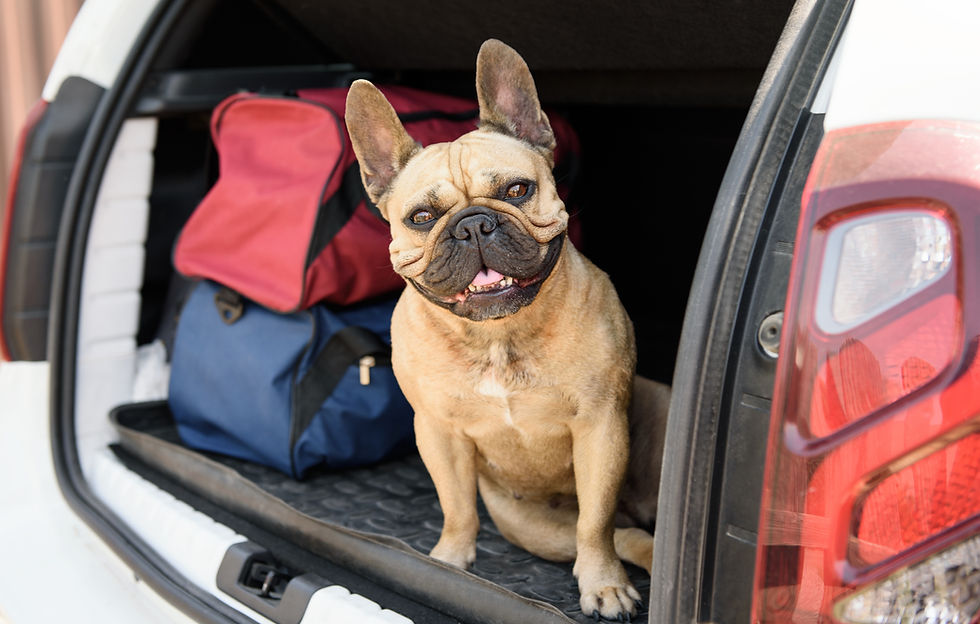
Brachycephalic pets — those with short muzzles and flat faces, such as pugs, bulldogs, and Persian cats — are more prone to breathing difficulties during air travel.
Some airlines have restrictions on these breeds, especially for cargo travel, so always check your airline’s policy before booking.
3. Is Your Pet’s Temperament Well-Suited for Flying?
Airports and airplanes can be loud, crowded, and stressful. If your pet is highly anxious, fearful, aggressive, or uncomfortable around strangers, flying may not be the best option.
In some cases, leaving your pet at home with a trusted sitter or family member may be the less stressful choice for everyone.
4. Does Your Pet Meet Airline and USDA Requirements?
Airlines and USDA regulations have age and health requirements for pets traveling by air. In general, pets must be at least 8 weeks old and fully weaned before flying.
Always review your airline’s current pet policy before booking.
5. Will Your Pet Fly in the Cabin?
Many airlines allow small pets to fly in the cabin if they fit comfortably in an approved carrier under the seat.
For pets that qualify, cabin travel is typically the safest and most comfortable option. However, pets who bark excessively or become distressed in confined spaces may struggle during the flight.
6. Will Your Pet Fly in Cargo?
Cargo travel requires additional planning and may not be appropriate for every pet. While most pets arrive safely, cargo travel can be stressful, particularly for pets with anxiety, breathing issues, or sensitivity to temperature changes.
If your pet must travel in cargo:
Choose a direct flight whenever possible
Use an airline-approved crate
Avoid extreme weather conditions
Confirm the airline’s current pet procedures in advance
7. Does Your Pet Need a Health Certificate?
Many airlines require a health certificate issued by a licensed veterinarian, especially for pets traveling in cargo. Some destinations and states may also require proof of vaccinations and recent health documentation.
Because requirements vary, it’s best to check with both your airline and destination before traveling.
8. Are You Traveling During Extreme Temperatures?
Extreme heat and cold can create additional risks for pets, especially during boarding, unloading, and layovers.
Many airlines limit or restrict pet travel during periods of severe weather, so it’s important to review weather policies carefully before your trip.
9. When Are You Traveling?
Busy airports, crowded flights, and peak travel seasons can add stress for pets. Whenever possible, consider traveling during quieter times of day and less hectic travel periods.
Direct flights and shorter travel days are usually easier on pets.
10. Are You Booking a Direct Flight?
Layovers increase travel time and the chance of delays, missed connections, or additional stress for your pet.
Whenever possible, book a direct flight to make the experience smoother and safer.
Final Thought
You know your pet better than anyone else. Before flying, consider your pet’s health, personality, and comfort level carefully. In some situations, road travel or staying home with a trusted caregiver may be the better option.
Whatever you decide, thoughtful planning can help make travel safer and less stressful for both you and your pet.


Comments